A Retired Sickle Cell Ward Nurse With 30 Years of Experience Reveals the Crisis Preparation System That Has Helped Over 200 Families Arrive at the Hospital Organised, Informed, and Ready. Instead of Panicked, Scattered, and Losing Precious Minutes.
The crisis came at 2am. The bag wasn't packed. The records weren't organised. She lost 45 minutes she didn't have.
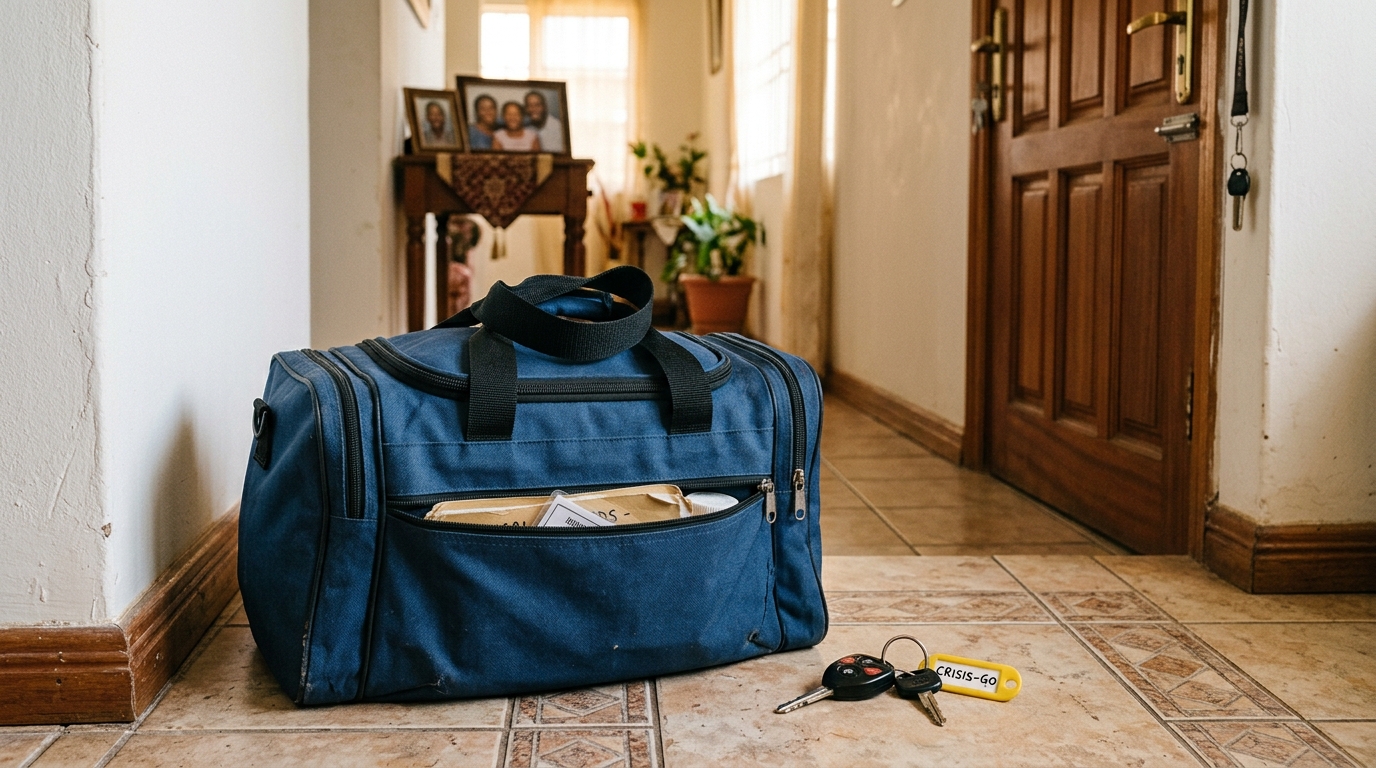
The bag.
It should have been by the door. Packed. Ready. Containing everything the hospital would need: her daughter's medical records, the medication list, the blood type card, the last CBC results, the doctor's direct number, the insurance papers, the list of medications she is allergic to, a change of clothes for both of them.
The bag should have been there. It wasn't. Because nobody had told Nkechi to pack it. Nobody had told her what to put in it. Nobody had told her that when the crisis comes at 2am, the difference between a parent who loses 45 minutes scrambling for records and a parent who grabs the bag and goes is the difference between a crisis managed and a crisis survived.
Adaeze is 8. SS genotype. Diagnosed at 14 months. In the 7 years since, Nkechi has made 11 emergency hospital visits. Eleven times, her daughter's body entered crisis. And eleven times, she arrived unprepared. Not because she is a bad mother. Because nobody had given her a system for being ready.
"My daughter is 8. SS genotype. In 7 years, I have made 11 emergency hospital visits. Each time, I arrive panicked. The last crisis came at 2am. Her fever spiked to 39.8. I forgot her medication list. I forgot the doctor's number. I forgot the last blood work results. The nurse asked: 'Do you have her records?' I said: 'They're at home.'"
"I have been a sickle cell mother for 7 years and I still arrive at the hospital like it's the first time. Because nobody taught me how to be prepared. I have love. I don't have a system."
If you are a parent of a child with sickle cell disease, if the crises come and you arrive scattered, if the records are never where you need them, if you don't know which symptoms mean "monitor at home" and which mean "go NOW," keep reading. Alongside your child's medical team.

Nkechi O.
34. Lagos. Mother of Adaeze, 8, SS genotype. 11 hospital visits. Until Sister Patience showed her the system.
Crisis number 11. 2am. Adaeze's temperature hit 39.8. She was rigid. Crying the cry I know. I drove to the hospital. 22 minutes with her screaming in the back seat.
At triage, the nurse asked: "What medications is she currently on?" I froze. Hydroxyurea. Folic acid. What else? The pain medication -- what was the name? The dosage? At 2am, with my daughter screaming, I could not remember.
That is what crisis does. It empties your mind of everything except fear. Unless the information is written down. In a bag. By the door.
No medical records folder
7 years of results scattered across 3 hospitals, 2 clinics, and a drawer. Nothing portable. Nothing I could hand to a nurse at 2am.
No medication list
I know what I give her at 2pm. At 2am in a crisis, I forget dosages, brand names, and the antibiotic she is allergic to.
No crisis action plan
No written protocol for "monitor at home" vs "go NOW." I make that decision on instinct every time.
No warning sign checklist
I know some signs. But I have been missing the early indicators that appear hours BEFORE the fever spikes.
No hospital communication sheet
Every visit, the doctor asks questions. I answer from memory, from panic, from fragments.
A sickle cell family support meeting. Sister Patience Adebayo. 58. Retired after 30 years as a sickle cell ward nurse. She had watched over 200 families arrive at her ward.
The Emergency Bag
What goes in it. How to organise it. Where to keep it. Grab it and go.
The Medical Records Organiser
Every document in one portable folder. Blood type, medications, allergies, results, contacts. Updated monthly.
The Warning Sign Checklist
Early crisis indicators. Temperature thresholds. Pain patterns. When to monitor. When to go. A decision framework alongside your doctor.
The Hospital Communication Sheet
One page you hand to the nurse. 60 seconds. Everything the medical team needs.
The Crisis Action Plan
Step-by-step from first warning sign to hospital admission. Every decision. Written. Practised. Ready.
Crisis number 12. 3am. Adaeze's temperature: 39.2 and climbing. I walked to the front door. The bag was there. Packed. I picked it up.
At triage, the nurse said: "Do you have her records?" I opened the bag. I handed her the Communication Sheet. One page. Everything. The nurse looked at it and said: "This is very well organised."
Crisis 11: 45 minutes before treatment began. Crisis 12: 15 minutes. Same hospital. Same child. Same mother. Different system. The bag was by the door.
30 minutes. In sickle cell crisis, 30 minutes is clinical significance. Earlier treatment means earlier pain management. Earlier hydration. The preparation system didn't treat my daughter. Her medical team did. The system got her TO her medical team faster.
I still make hospital visits. But I no longer arrive panicked. I arrive with the bag, the sheet, and the plan.
"My son is 6. SS genotype. 8 hospital visits. The Communication Sheet changed everything. One page. No more forgetting medication names through tears."
"The Warning Sign Checklist saved us from 2 unnecessary hospital visits and caught 1 real crisis 6 hours before the fever spiked."
"I'm in London. NHS. The bag sits by the front door. Even the school has a copy of the Communication Sheet. If a crisis happens at school, the teachers hand it to the paramedics."
"My child's haematologist saw the Records Organiser and said: 'Every sickle cell family should have this.' He now recommends it to his other patients' parents."
"I cried when I completed the Crisis Action Plan. For 5 years I had been reacting with pure instinct. Now I have steps. They held at 3am last month. My son was treated in 12 minutes."
"The bag changed my marriage. My husband now knows: grab the bag, start the car, call the number on the Sheet. We are a team instead of two panicking individuals."
I documented Sister Patience's system because no sickle cell parent should arrive at the hospital empty-handed at 2am. No parent should forget their child's medication dosage because fear emptied their mind. No parent should lose 30-45 minutes while their child waits for pain management. Alongside your child's medical team.
Before the Crisis Comes
The Sickle Cell Crisis Preparation Guide. Organised. Ready. Alongside your child's medical team.
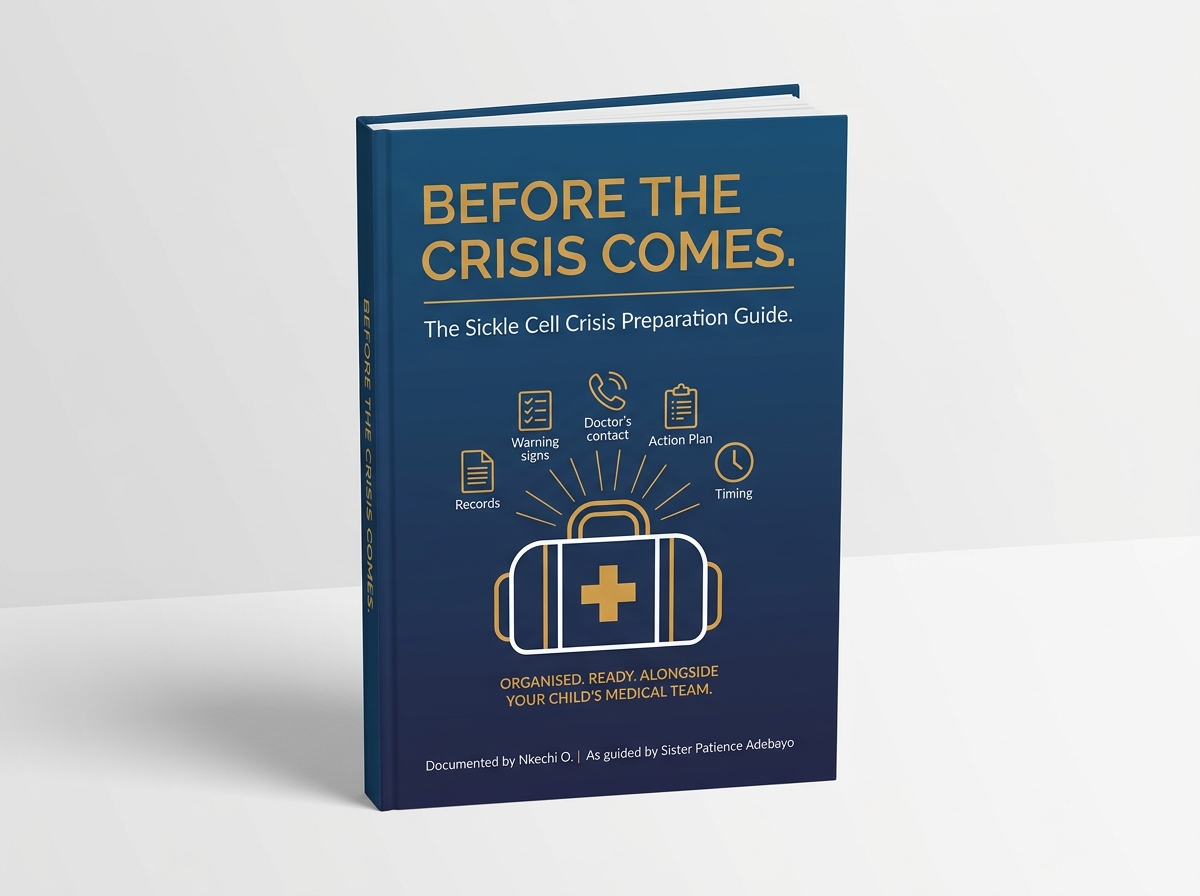
The Emergency Bag Checklist
Everything that goes in the bag. How to organise it. Where to keep it. Grab it and go.
The Medical Records Organiser
One portable folder. Every document. Updated monthly. Ready instantly.
The Warning Sign Checklist
Early crisis indicators. When to monitor. When to go. A decision framework alongside your doctor.
The Hospital Communication Sheet
One page. Hand it to the nurse. 60 seconds. Everything the medical team needs.
The Crisis Action Plan
Step-by-step from first warning sign to hospital admission. Written. Practised. Ready.
Instant download. Both bonuses included. 21-day guarantee.
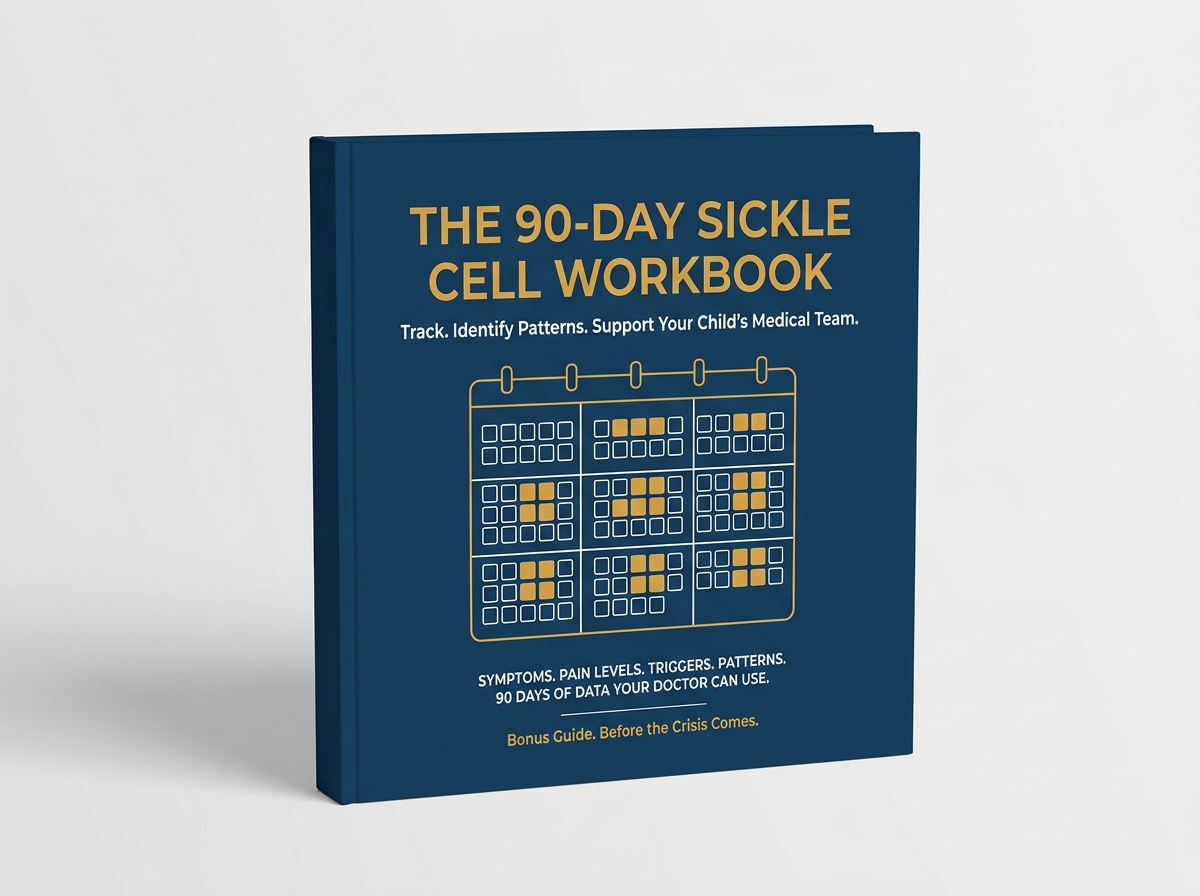
The 90-Day Sickle Cell Workbook
Daily tracking for 90 days: symptoms, pain levels, medications, triggers, patterns. Reveals your child's specific crisis patterns over time. Data that helps your child's medical team provide better care. Alongside your doctor.
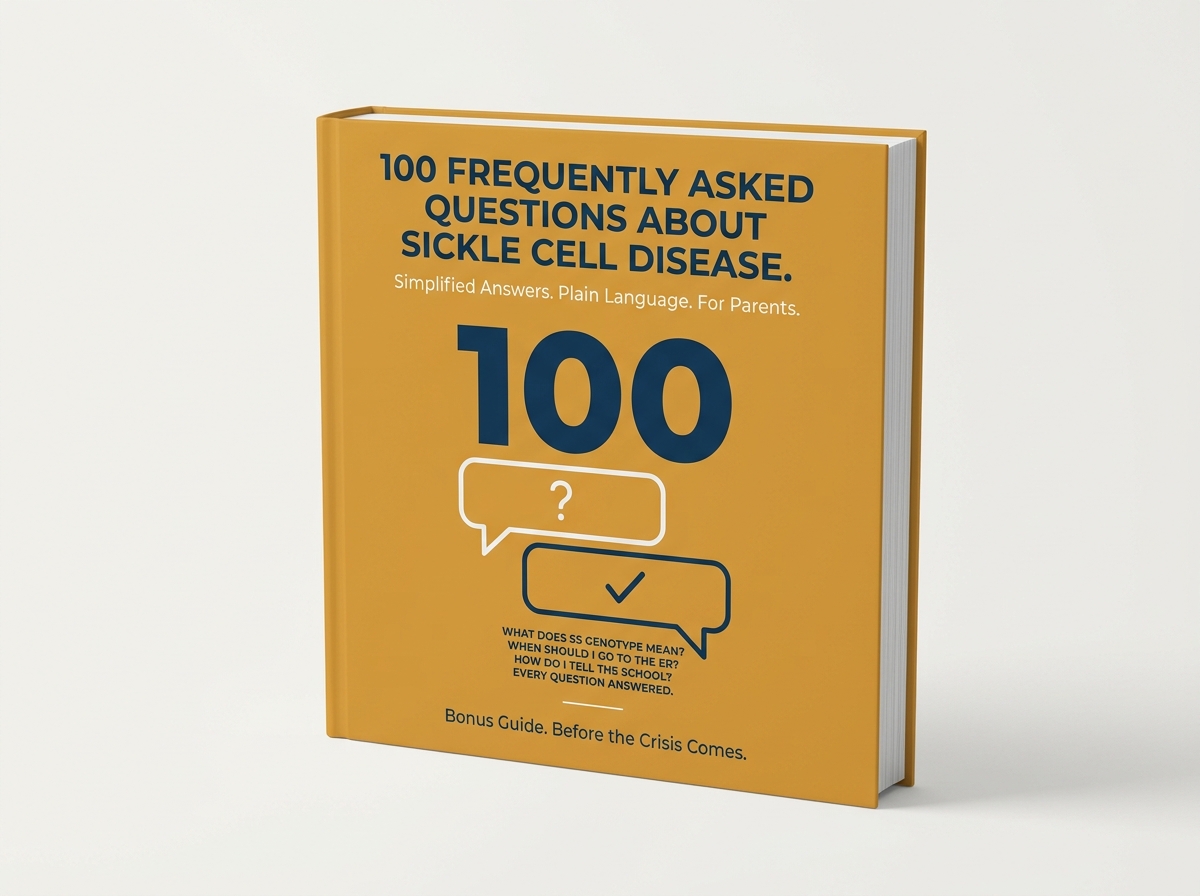
100 Frequently Asked Questions About Sickle Cell Disease
The 100 questions sickle cell parents ask most -- answered in plain, clear language. From "what does SS genotype mean?" to "when should I take my child to the emergency room?" A reference you will return to for years.
21-Day Conditional Guarantee
Use the guide for 21 days. If the Emergency Bag isn't packed, the records aren't organised, and the Communication Sheet isn't printed, full refund. You keep both bonus guides.
Prepared or your money back.
Another 2am Unprepared
Another crisis. Another scramble. Another 45 minutes lost. Another nurse asking "do you have her records?" and another time you say "they're at home."
The crisis will come again. Without a system, the outcome is the same every time.
Pack the Bag Tonight
The next crisis comes at 2am. The bag is by the door. The Communication Sheet is in your hand. Your child is receiving treatment in 15 minutes.
N9,200. The bag gets packed. The next 2am is different. Because YOU are different. Prepared.
P.S. #1: Where are your child's medical records right now? All of them. In one place. If the answer is "scattered," the guide starts there.
P.S. #2: Sister Patience: "The parents who arrive prepared don't love their children more. They love them the same. But they arrive with a system. And the system buys minutes." N9,200 to build the system. Alongside your child's medical team.